
Understanding Real Estate Commissions: What Every Seller Should Know
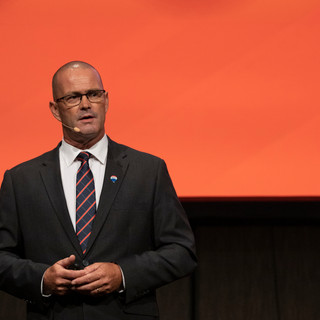
When it comes time to sell your home, most people appoint a real estate agent to guide the process. If you don’t already have a trusted advisor or a strong recommendation from friends or family, it’s wise to interview one or two agents — ideally meeting them at your property.
Each agent will outline their selling process, strategy, and fees. This gives you the chance to decide who is best equipped to sell your home.

The truth is, most of us prefer to do business with people we like and trust — not because of the car they drive, the watch they wear, or whether they’re wearing socks with their shoes :)
Choosing an agent should be about skill, integrity, and results.
In this article, I want to focus specifically on Commissions — a key factor most Sellers consider when selecting an agent.
How Commissions Work
Real Estate Agents are generally paid a percentage of the final sale price. The percentage varies from state to state, suburb to suburb, and can also depend on the property type, value, and prevailing market conditions.
As a guide, in Queensland commissions typically range between 2.5% and 4% of the sale price.
Some agents offer tiered commission structures, which means they earn a higher percentage if they achieve a higher price. While not every agency allows this, it’s becoming more common as it directly incentivises agents to deliver the best possible result.
Commission Options I Offer
As an example, in my business, I provide clients with flexibility and transparency. Options include:
Flat Rate – e.g. 3% across the board.
Tiered Rate – a set percentage up to an agreed price point, then a higher percentage for anything above that, calculated against the total sale price.
Performance-Based Range – for example, 2.75% to 3.5%, where the client chooses the final percentage after settlement, based on their satisfaction with my service and results.
This last option isn’t based on promises—it’s based on what I ‘actually’ deliver.
Why the “Cheapest” Agent May Cost You More
At first glance, 2–4% commission may seem like a lot. But let’s look at the bigger picture:
Let’s say you are hoping to achieve $1,000,000 for your Home.
Scenario A
Agent 1 drops their commission from 3% to 2% to win your business.
They achieve a $950,000 sale.
Commission: $19,000
Net after commission: $931,000
Scenario B
Agent 2 stands firm at 3%.
They know how to show value and negotiate strongly and achieve $1,050,000.
Commission: $31,500
Net after commission: $1,018,500
Even after paying a higher commission, you’re ahead by almost $90,000. That’s the power of skilled negotiation.
The Real Lesson
If an agent quickly discounts their own worth to win your listing, what will they do when negotiating on your behalf? Protecting value is the cornerstone of their role. If they can’t defend their own fees, chances are they won’t fight hard to defend the value of your home.
As the saying goes: “Pay peanuts, get monkeys.”
The best agents rarely come cheap, but the results they deliver speak for themselves.
When choosing your agent, keep the focus on what matters most — achieving the best price and conditions for your property.
Final Tip
If you’re ever uncertain about fees or commissions, check whether your agent is a member of the local Real Estate Institute. Membership requires adherence to professional standards and a strict code of conduct — giving you additional peace of mind.
*All percentages and amounts in this article are quoted without GST included.


Comments